The Complete Guide to Google Maps Rankings for Home Service Businesses (2026)
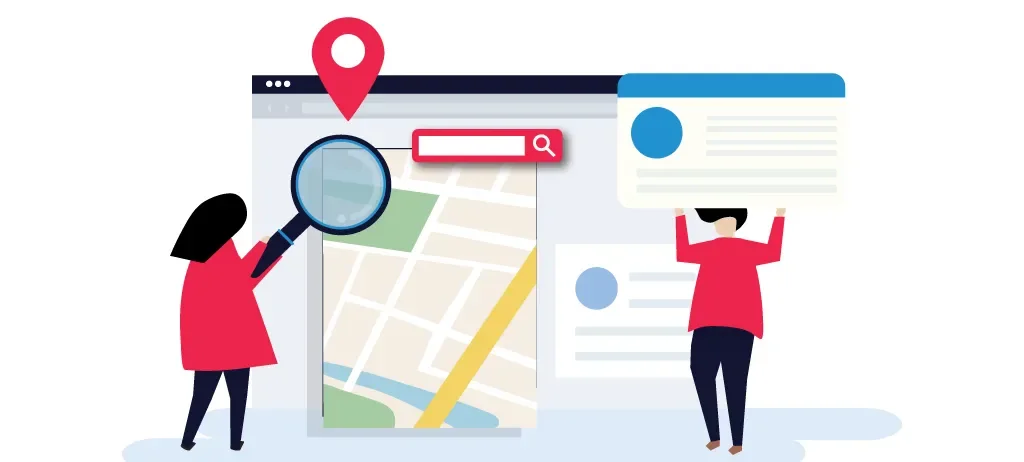


If you run a plumbing, electrical, roofing, painting, garage door, or appliance repair company, Google Maps is your most valuable lead source.
When homeowners search:
- plumber near me
- emergency electrician
- roofer in [city]
Google shows the Local 3-Pack — the three map listings above organic results.
Google Maps rankings are driven by five core forces: Those listings generate the majority of service calls.
- Proximity
- Consistent reviews
- Category and relevance alignment
- Engagement behavior
- Local authority signals
Understanding how these work together is the difference between steady inbound calls and being invisible.
To rank at the top of Google Maps, contractors need five things working together:
- Location strategy
- Categories and services
- Consistent reviews
- Local authority
- Customer activity
Optimizing one pillar is not enough. All five must align.
How Google Maps Rankings Actually Work
Google evaluates three macro signals: relevance, distance, and prominence.
For contractors, these translate into practical ranking mechanics.
Proximity (What You Can and Cannot Control)
Proximity is determined by how close your verified address is to the searcher.
Important truths:
- A real physical address matters
- Virtual offices rarely sustain rankings
- Expanding service radius does NOT expand ranking reach
- Rankings weaken as distance increases
Relevance and Category Optimization
Your primary category carries major ranking weight.
- Align primary category with top revenue service
- Add accurate secondary categories
- Mirror services on your website
- Reinforce services in reviews
Local Authority Signals (Prominence)
- Citation consistency
- Local backlinks
- Brand mentions
- Review count
- Website strength
Map rankings correlate with local trust signals.
Review Count vs Consistent Review Flow
Getting a steady flow of new reviews each month matters more than the total count. After 50 reviews, consistent new reviews often matter more than the total count.
- 3–6 new reviews/month = growth signal
- 0 reviews for 60+ days = stagnation
Behavioral Signals
Google tracks listing engagement:
- Calls
- Website clicks
- Directions
- Photo views
Listings with higher engagement maintain rankings more consistently.
The 5 Pillars
Pillar 1 — Location Strategy
- Use a legitimate physical address
- Avoid service radius overexpansion
- Focus on a realistic coverage area
Pillar 2 — Category and Service Structuring
- Audit primary category
- Align with the highest revenue service
- Update quarterly
Pillar 3 — Consistent Reviews
- Automate SMS review requests
- Ask within 24 hours
- Respond to every review
- Track monthly velocity
Pillar 4 — Local Authority
- Chamber listings
- Trade associations
- Geo backlinks
- Local sponsorships
Pillar 5 — Customer Activity and Engagement
- Weekly photo uploads
- Consistent posting
- Encourage listing interaction
Why Most Contractors Fail to Rank
- Wrong primary category
- Low review velocity
- NAP inconsistencies
- Low engagement
- Unrealistic service areas
How to Rank in Multiple Cities
- Dominate the primary city first
- Build structured city pages
- Earn local authority signals
- Avoid duplicate content
Physical offices may be required for distant metros.
How Many Reviews Do You Need?
- Small towns: 25–40
- Mid-size metros: 50–120
- Major metros: 120+
A steady flow of new reviews remains critical.
Does Posting on Google Business Help Rankings?
Posts support engagement and relevance but rarely move rankings alone. They are one part of the system.
What to Do If You're Not Showing Up
- Audit primary category
- Check review velocity
- Verify citations
- Analyze heatmap
- Evaluate engagement
Hear From Our Clients

FAQs About Google Review Transfers
-
Google Maps ranking refers to how high your business appears in the local map pack when homeowners search for services. Higher rankings typically mean more calls, more quote requests, and more booked jobs, because most users tap one of the top three results.
-
Google primarily looks at three factors: relevance (how well your business matches the search), proximity (how close you are to the searcher), and prominence (your overall authority, reviews, and online presence).
-
Yes. Service-area businesses like plumbers, roofers, electricians, painters, and other home service providers can absolutely rank in Google Maps. You define a service area in your Google Business Profile so Google knows which cities and neighborhoods you serve.
-
The core steps include fully optimizing your Google Business Profile, keeping your name, address, and phone number consistent across the web, earning high-quality reviews, and building strong local content on your website.
-
Most home service businesses start to see noticeable movement in 4 to 12 weeks, depending on competition and how aggressively they improve their profile and reviews.
-
In most cases, no. Use one profile with a clearly defined service area, supported by location-specific pages on your website.
-
Reviews are critical both for ranking and for converting searchers into callers. Google looks at your review volume, average rating, recency, and the keywords customers naturally use.
-
Google Maps rankings are hyper-local and can vary dramatically within the same city based on the searcher's location, competition density, and engagement with your listing.
-
Yes. You can improve organic map rankings through profile optimization, on-page SEO, local link building, and a consistent review strategy.
-
We focus specifically on home service companies and handle the key levers that drive map rankings: Google Business Profile optimization, local citation cleanup, review strategy, and content tailored to your service areas.
-
Yes. Green Thumb Local serves home service businesses throughout the United States, from single-location operators to multi-location brands.